The fastest way to a clear yes — or a clear not-yet — is a complete quote packet. Incomplete briefs produce beautiful wrong furniture, revision loops, and calendars that slip. This checklist is what we actually use when a homeowner, designer, or facility buyer writes Bradley Brand Furniture.
It pairs with how a commission works and named series vs custom. No invented lead times, no invented prices — just the inputs that let us quote honestly.

1. Room photos that show context
Send wide shots of the room from two corners, plus a shot of the wall or run where the piece will live. Include adjacent flooring, cabinets, and any trim the finish must respect. Phone photos are fine; dark evening shots are not. If the space is under construction, send plans and a photo of the framed opening so we understand real-world mess.
For islands, photograph the cook’s primary stance and the opposite seating side. For dining, show chandelier or pendant height if it constrains table placement. For living tables (RattleSnake, Moro), show sofa height and rug edges.
2. Dimensions that matter
Overall target length, width, and height. Clearance to walls and traffic lanes. Overhangs if stools are planned. Door widths, stair turns, elevator size, and receiving dock constraints — the path is part of the product. A table that fits the alcove but not the landing is still the wrong table.
If you measured once in a hurry, measure again. Note whether numbers are finished room or rough opening. For healthcare or clinic work, include count by room and any ADA clearances that are non-negotiable.
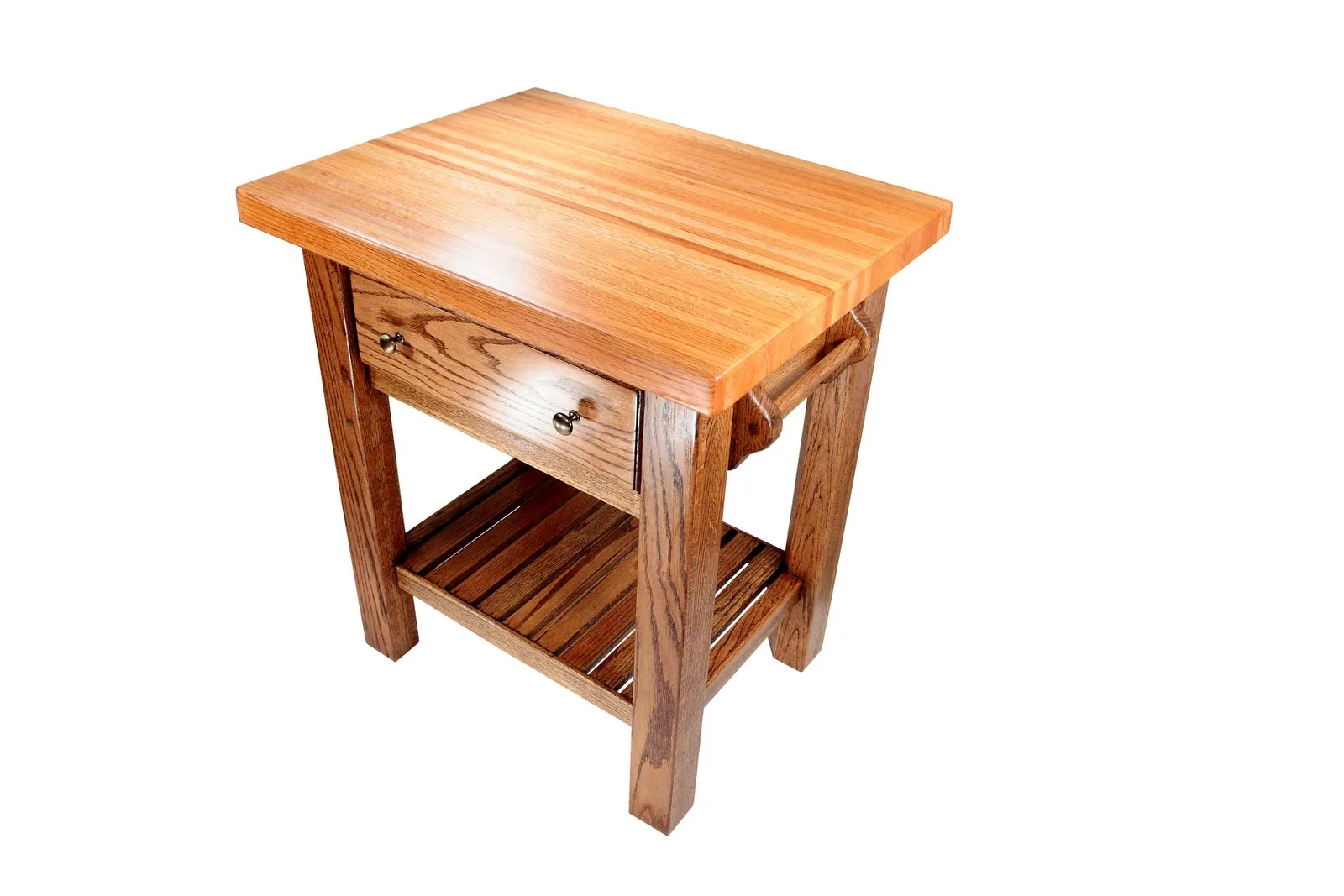
3. Use, cleaners, and finish notes
Say what the surface must survive: food prep, dining only, markers, facility disinfectants. Attach a cleaner list if you have one. Note species preference if any, and whether you need to match existing casework. Point to a series page when you can — Lumberjack, Saline Creek, Moro, RattleSnake — so we inherit known joinery instead of reinventing it.
4. Budget band and decision makers
We do not publish cart prices here. We do need a band so we do not design the wrong project. Residential single pieces and institutional packages in the documented $50k–$500k project range are different workflows. Name who must approve drawings. If corporate purchasing or an architect countersigns, say so on day one.
5. Timeline honesty
Opening days, move-in dates, and “whenever” are three different quotes. If a date is contractual, put it in the subject line. We will schedule backward through mill, plane, sand, assemble, and finish — or tell you the date is fantasy given queue.
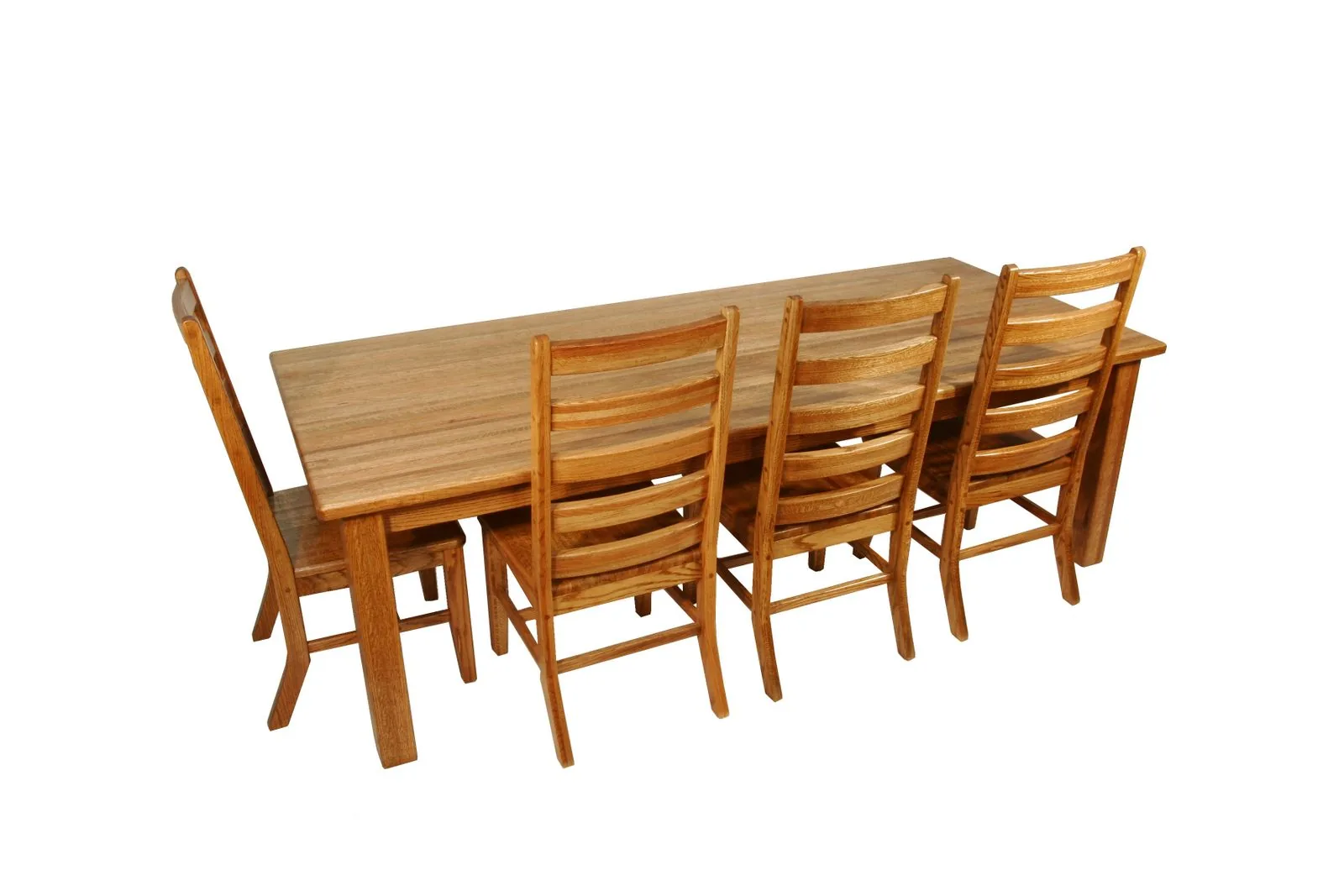
6. Inspiration without false SKUs
Mood images help. Claiming a historic mill postcard is your exact apron detail does not. Heritage context from Heritage and journal essays on Bradley Lumber is place proof; series photos are product proof. Label which is which when you write.
What happens after you send the packet
We say whether the job fits series with modifications or needs Design-To-Spec engineering at $150/hr (drawings, optimization for millwork/CNC workflows). You should see dimensioned sketches or shop drawings before primary stock is cut. Finish samples follow when color must match your light. Approval is a gate.
Send the packet to Contact. If you only have half the list, send half — and say what is missing. A partial packet with honest gaps beats a confident email with wrong widths. The checklist exists to speed a yes, not to invent one.
Quick copy-paste list
Room photos (2+ angles) · target L×W×H · path clearances · stool count / overhang · series preference · finish / cleaner notes · budget band · decision makers · hard dates · receiving notes. Attach that, and the shop can answer like a maker instead of a guessing service.
Optional but high-leverage attachments
Floor plan PDF or sketch with the piece drawn in · finish sample photo of existing cabinets in daylight · stool model or height target · receiving hours and site contact · freight elevator dimensions. None of these are mandatory for a first reply; each one removes a week of back-and-forth when the job is real.
For marketplace-era references, you may cite a past island name you loved — Cossatot, Moro, Little Red River — as proportion inspiration. We will translate that into current series or commission language without treating old listings as live inventory.


